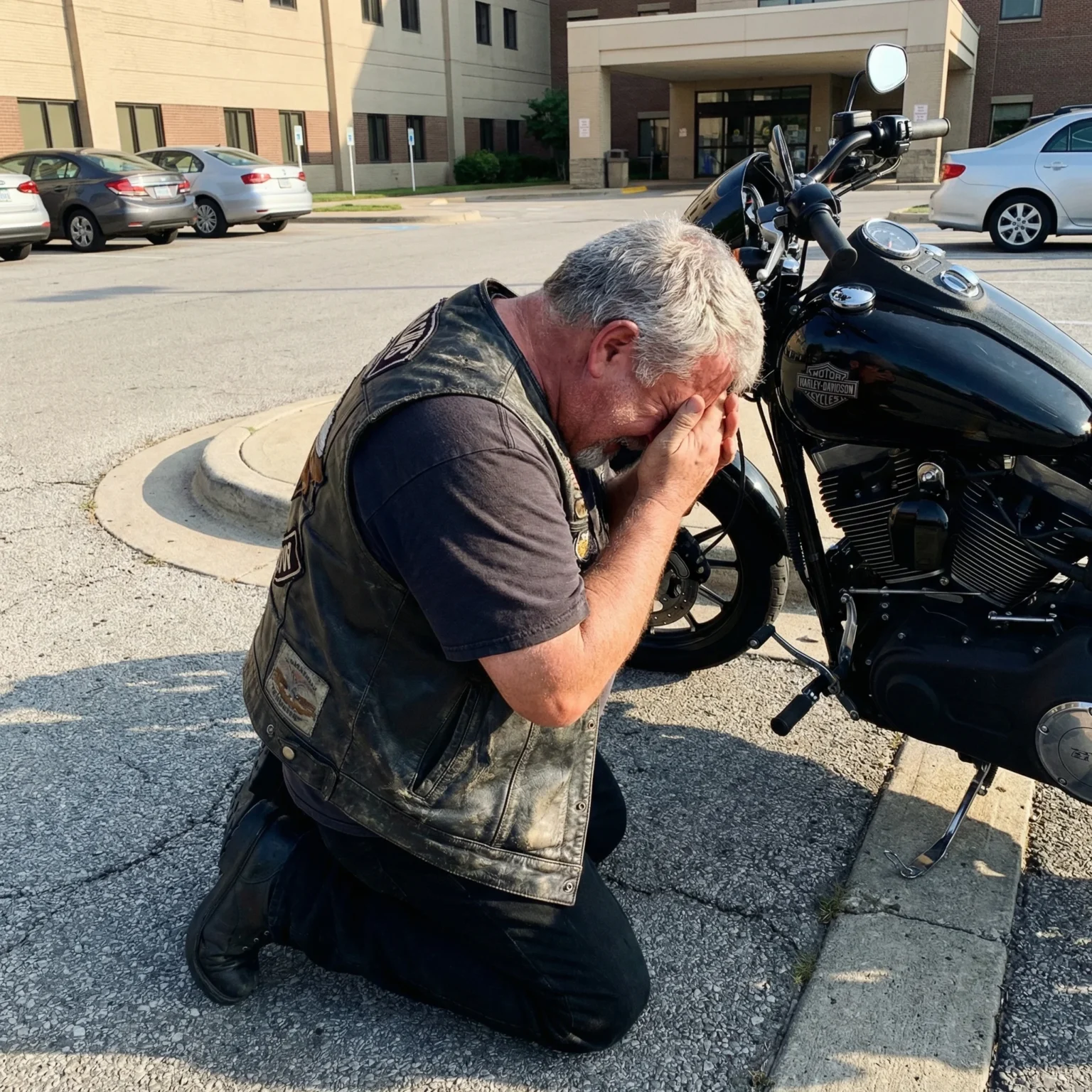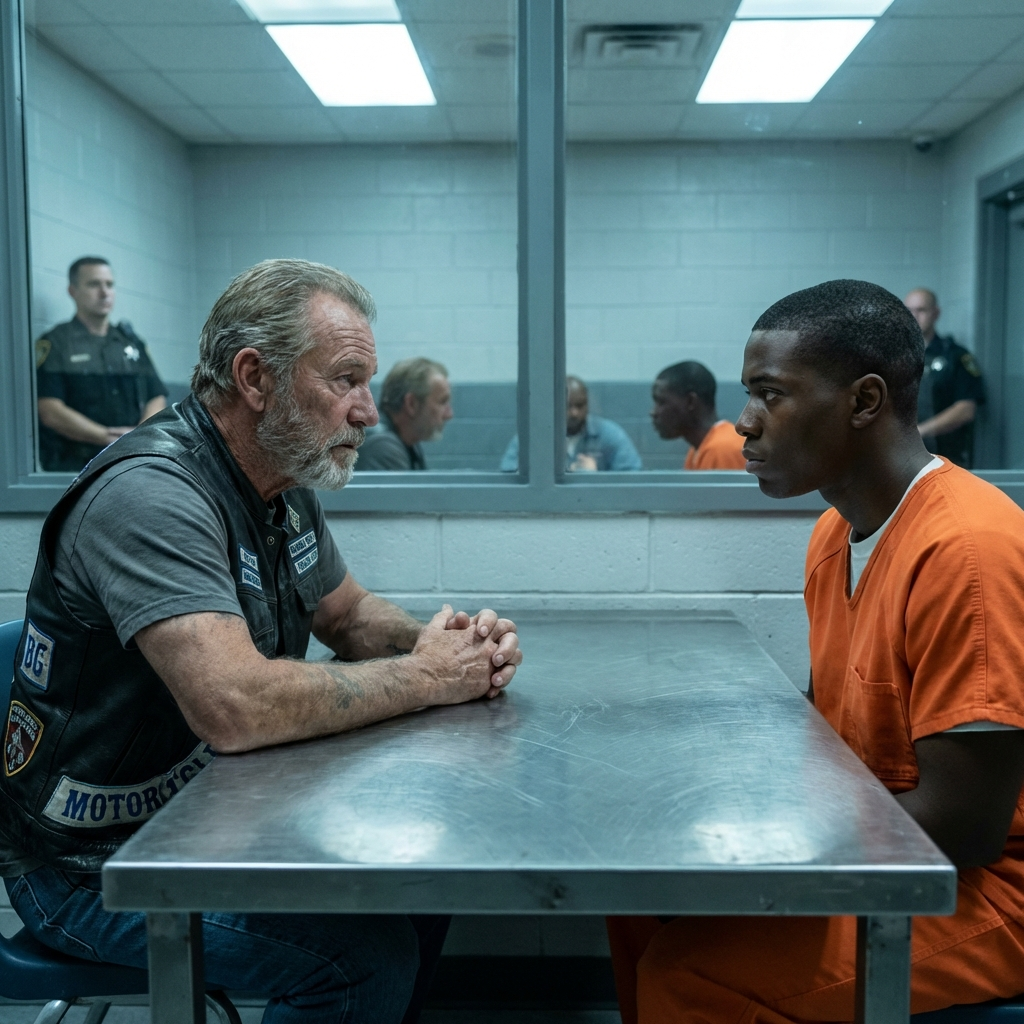
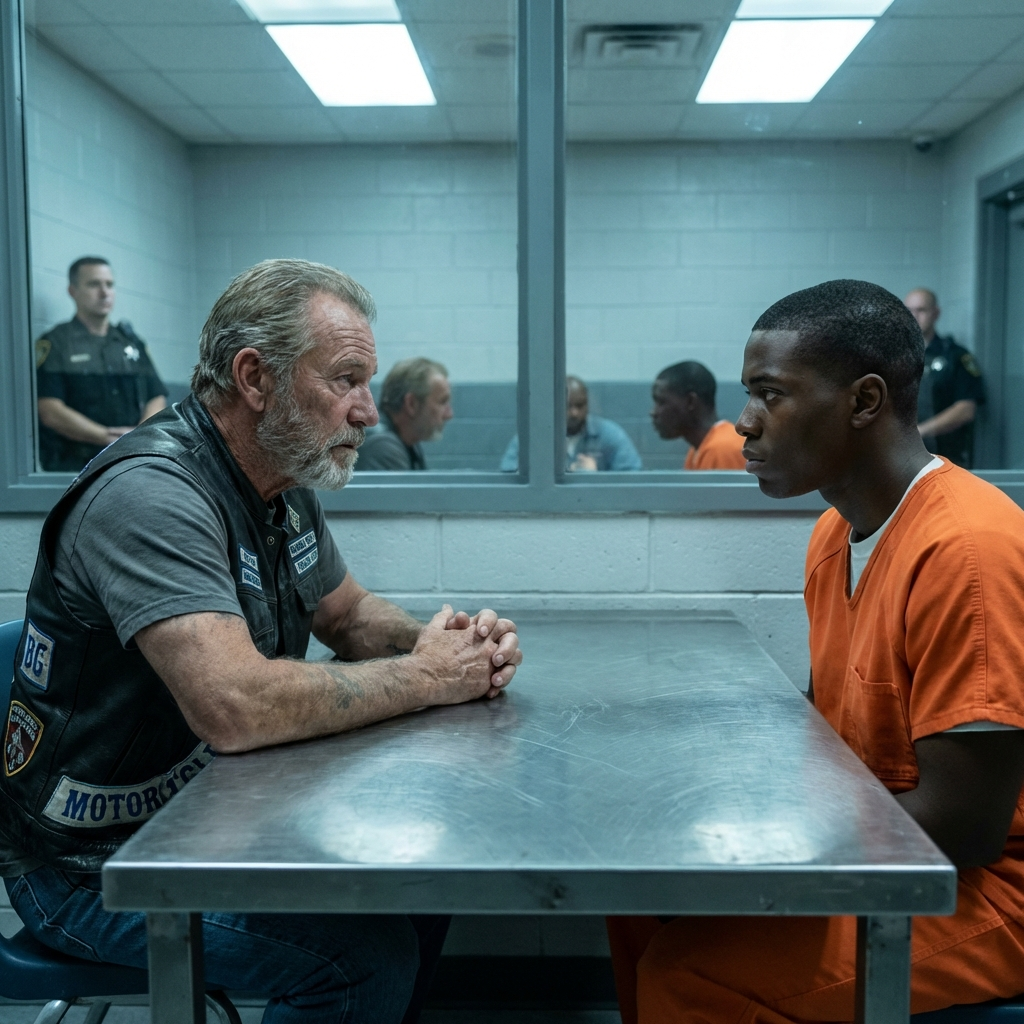
For eight years, I visited the man who killed my daughter. Every single week. Same day. Same time. And I never told anyone why.
His name is Marcus Webb. He was nineteen when it happened. Drunk driver. Ran a red light at 2 AM on a Saturday in March. Hit my daughter’s car broadside going seventy miles an hour.
Emma died instantly. She was twenty-two years old. A nursing student. Engaged to be married. Coming home from her shift at the hospital.
Marcus walked away with a broken arm.
He got eight years. Vehicular manslaughter. The judge said he showed remorse. Said he was young and made a terrible mistake.
I sat in that courtroom and listened to him cry. Listened to him apologize. Listened to his mother beg for mercy.
I wanted him dead.
My wife couldn’t look at him. My son had to be escorted out because he threatened to kill Marcus right there in the courtroom. The rage in our family was a living thing.
But something happened during the sentencing. Marcus looked at me. Direct eye contact. And he said, “I’m sorry. I know that doesn’t mean anything. I know I took everything from you. But I’m sorry.”
He held my gaze like he needed me to know he understood what he’d done.
I hated him for that. For being human. For making it harder.
Six months after the sentencing, I got on my bike and rode to the prison. I didn’t plan it. Just found myself in the visitors’ parking lot.
I went inside. Filled out the forms. Sat in the waiting area.
They brought Marcus into the visiting room. When he saw me, his face went white.
“Mr. Patterson,” he said. He looked terrified.
I sat down across from him. Didn’t say anything. Just looked at him.
“Why are you here?” he asked.
I didn’t answer. I didn’t know the answer.
We sat in silence for the entire visiting hour.
The next week, I came back.
Marcus was more confused than terrified this time. “You don’t have to keep coming here.”
I still didn’t speak. Just sat there.
The third week, Marcus tried to talk. Told me about prison. About his cellmate. About classes he was taking.
I listened. Didn’t respond. But I listened.
The fourth week, he asked about Emma.
“Can you tell me about her? I need to know who she was.”
I stood up and walked out.
But I came back the next week.
My wife found out about the visits after a year. She was furious. Said I was betraying Emma’s memory.
My son stopped speaking to me entirely. Said he couldn’t understand how I could sit across from her killer week after week.
I couldn’t explain it to them because it wasn’t something easy to explain.
By year three, something shifted.
Marcus stopped apologizing every visit. He just talked. About books he was reading. About the guilt that woke him up every night.
“I see her sometimes,” he said one day. “Your daughter. In my dreams. She’s always driving. I can never stop it.”
I spoke for the first time in three years.
“Good,” I said.
Marcus looked up. Tears in his eyes.
“I deserve that.”
Year four, Marcus told me he’d gotten his GED. Was taking college courses. Studying social work.
“I want to do something,” he said. “I can’t bring her back. But I have to make the years I have count for something.”
I nodded. The first time I acknowledged him beyond words.
Year five, his mother died. Marcus wasn’t allowed to attend the funeral. He sat across from me that week and sobbed.
I didn’t comfort him.
But I stayed.
That meant something.
Year six, I finally told him about Emma. About how she used to sing in the car. How she wanted to work with children. How she volunteered at the free clinic every Tuesday.
Marcus listened like every word was sacred.
“She sounds like she was an amazing person,” he said quietly.
“She was. She was better than all of us.”
“I took that from the world.”
“Yes. You did.”
The honesty sat between us. Heavy. True.
“I can’t fix it,” Marcus said. “But I’m trying to do something with what I have left. The years she doesn’t get. I’m trying to make them mean something.”
“I know. That’s why I keep coming.”
It was the first time I’d admitted it out loud.
I came because I needed to see it.
Needed to see him become something other than the drunk kid who killed my daughter.
Needed to see that her death hadn’t just created a void. That something could grow from it.
Even if that something was just one person choosing to change.
Year seven, I brought him a photo. Emma at her college graduation. Smiling. Proud. Alive.
Marcus took it like I was handing him something holy.
“Thank you,” he whispered. “Thank you for letting me see her.”
He kept that photo in his cell. Told me later he looked at it every morning. Reminded himself why he had to keep going. Why he couldn’t waste the life he still had.
Year eight, Marcus was up for parole.
He asked if I would speak at the hearing.
“What would I say?” I asked.
“The truth. Whatever you need to say. I’ll accept whatever you decide.”
The parole hearing was on a Thursday in November.
The hearing room was small. Fluorescent lights. Cheap paneling. Five board members behind a table.
My ex-wife was there. She had submitted a letter opposing parole. So had my son. Neither of them would look at me.
Marcus’s public defender presented his case. Eight years of good behavior. GED. Associate’s degree in progress. Addiction counseling certification. Letters of recommendation from prison staff.
Then it was time for victim impact statements.
My ex-wife spoke first. Her voice was ice.
“Marcus Webb took our daughter from us. Twenty-two years old. Her whole life ahead of her. He got eight years. She got nothing. Eight years isn’t enough. It will never be enough. I oppose his parole.”
She sat down. Didn’t look at Marcus.
My son had sent a letter. The board chair read it aloud.
“Marcus Webb destroyed our family. My sister is dead. My parents are divorced. I had to leave the state because I couldn’t stand being in the same place where she died. He should serve every day of his sentence. He should serve more.”
Then the chair looked at me.
“Mr. Patterson. You’ve been visiting the inmate weekly for eight years. The board would like to hear your statement.”
I stood up. My legs felt unsteady.
Everyone was watching me.
My ex-wife with anger in her eyes.
Marcus with resignation.
The board with curiosity.
I looked at Marcus.
“Eight years ago,” I began, “I wanted to kill Marcus Webb with my own hands. I planned it. Thought about it constantly. The only thing that stopped me was my daughter. Who she was. What she would have wanted.”
I paused.
“Emma believed in second chances. She believed people could change. I didn’t. I thought you were who you were and that was it. But I made a promise to her. At her grave. That I would try.”
Marcus was crying silently.
“So I started visiting. Not for him. For her. To see if she was right.”
The chair leaned forward. “And?”
“She was.”
I continued.
“For the first three years I didn’t say a word. I was testing him. Watching. Waiting to see if the remorse was real.”
“And was it?” the chair asked.
“Yes.”
I took a breath.
“He’s not the same person who killed my daughter.”
“What is he?” the chair asked.
“He’s someone trying to earn the life he still has.”
I turned to Marcus.
“You killed my daughter. You took everything from us.”
Marcus nodded.
“But Emma believed in redemption. And I think she’d want me to give you a second chance.”
The room was silent.
“I support his parole.”
My ex-wife stood up and walked out.
Twenty minutes later the board returned.
“Parole is granted.”
Marcus was released two weeks later.
We met a week after that at a diner.
He asked me the question I’d been avoiding.
“Why did you really keep coming?”
I told him the truth.
“Emma called me the night she died. She asked if I could pick her up from the hospital. I said no. I had been drinking. Watching the game. I told her to drive home.”
My voice broke.
“If I had picked her up, she would still be alive.”
Marcus squeezed my hand.
“It wasn’t your fault.”
“It wasn’t entirely yours either,” I said.
We sat there. Two men connected by the same loss.
Three years later, we speak at high schools together about drunk driving.
We’ve spoken to thousands of students.
Marcus became a social worker.
He helps people with addiction now.
Every year on March 14th, we visit Emma’s grave together.
This year he brought white roses.
Emma’s favorite.
“Do you think she’d be proud of us?” he asked.
I looked at her headstone.
Emma Louise Patterson. Beloved daughter.
“Yeah,” I said quietly.
“I think she would.”
Because Emma believed people could change.
And every day, Marcus tries.
So do I.
And maybe that’s enough.