Japanese knotweed (Reynoutria japonica) is often labeled as one of the most invasive plants in the world. It spreads aggressively, damages infrastructure, and is even restricted by law in many regions. However, beyond its negative reputation, this resilient plant hides a treasure of medicinal properties that have been valued for centuries in traditional herbal practices.
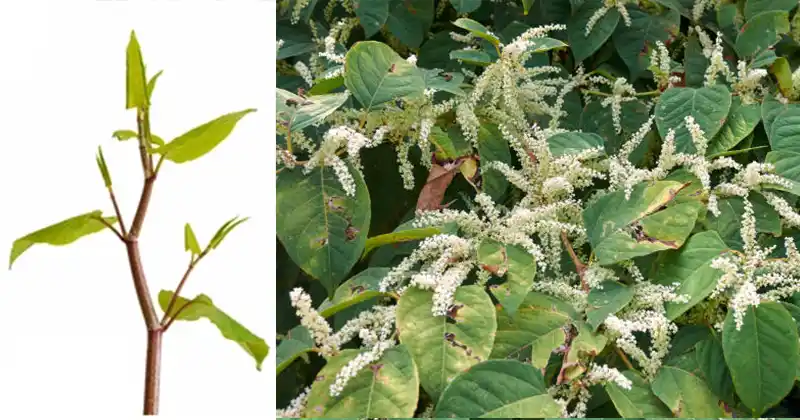
Packed with antioxidants, particularly resveratrol, Japanese knotweed is gaining attention in the natural health world. Below, we explore its health benefits, traditional uses, and important notes to keep in mind.
🌿 Health Benefits
- Rich in Resveratrol – Japanese knotweed is one of the best natural sources of resveratrol, the same antioxidant found in red wine, known for supporting heart health and longevity.
- Cardiovascular Support – Helps improve blood circulation, reduce cholesterol, and support healthy blood pressure.
- Anti-Inflammatory Properties – May ease joint pain, arthritis, and other inflammatory conditions.
- Immune System Boost – Contains antioxidants and bioactive compounds that strengthen immunity.
- Antibacterial and Antiviral – Traditionally used to fight infections and protect against viruses.
- Digestive Health – Can help with gastrointestinal issues by reducing inflammation and promoting healthy gut function.
- Skin Health – The plant’s extracts are used in natural skincare for wound healing and anti-aging.
- Neuroprotective Effects – Some studies suggest resveratrol may protect brain health and support memory.
- Bone Health – May help maintain strong bones due to its antioxidant and anti-inflammatory compounds.
- Lyme Disease Support (Alternative Use) – Often included in herbal protocols for Lyme disease because of its antimicrobial and immune-modulating properties.
🏡 Homemade & Traditional Uses
- Herbal Tea – Young shoots or roots can be dried and steeped as tea for their antioxidant content.
- Tinctures & Extracts – The root is often used to make alcohol-based extracts rich in resveratrol.
- Powder Form – The dried root can be ground into powder and added in small amounts to smoothies or capsules.
- Topical Applications – Used in poultices or creams for skin irritations, wounds, or rashes.
⚠️ Important Notes
- Japanese knotweed spreads aggressively and is illegal to plant or encourage growth in many regions because of its invasive nature.
- Supplements made from knotweed are widely available and are a safer way to benefit from it without risking spread.
- High doses may interact with medications (especially blood thinners, since resveratrol can affect clotting).
- Always consult a healthcare provider before using it medicinally.
Though often considered a nuisance plant, Japanese knotweed offers impressive health benefits thanks to its rich resveratrol content and diverse healing properties. From heart health to immune support, its potential makes it a valuable natural remedy when used responsibly.
Disclaimer: This article is for informational purposes only. Japanese knotweed supplements and remedies should be used with caution, especially if you are on medication. Always consult with a healthcare professional before starting any new herbal treatment.Inspired by this? Share the article with your friends!